
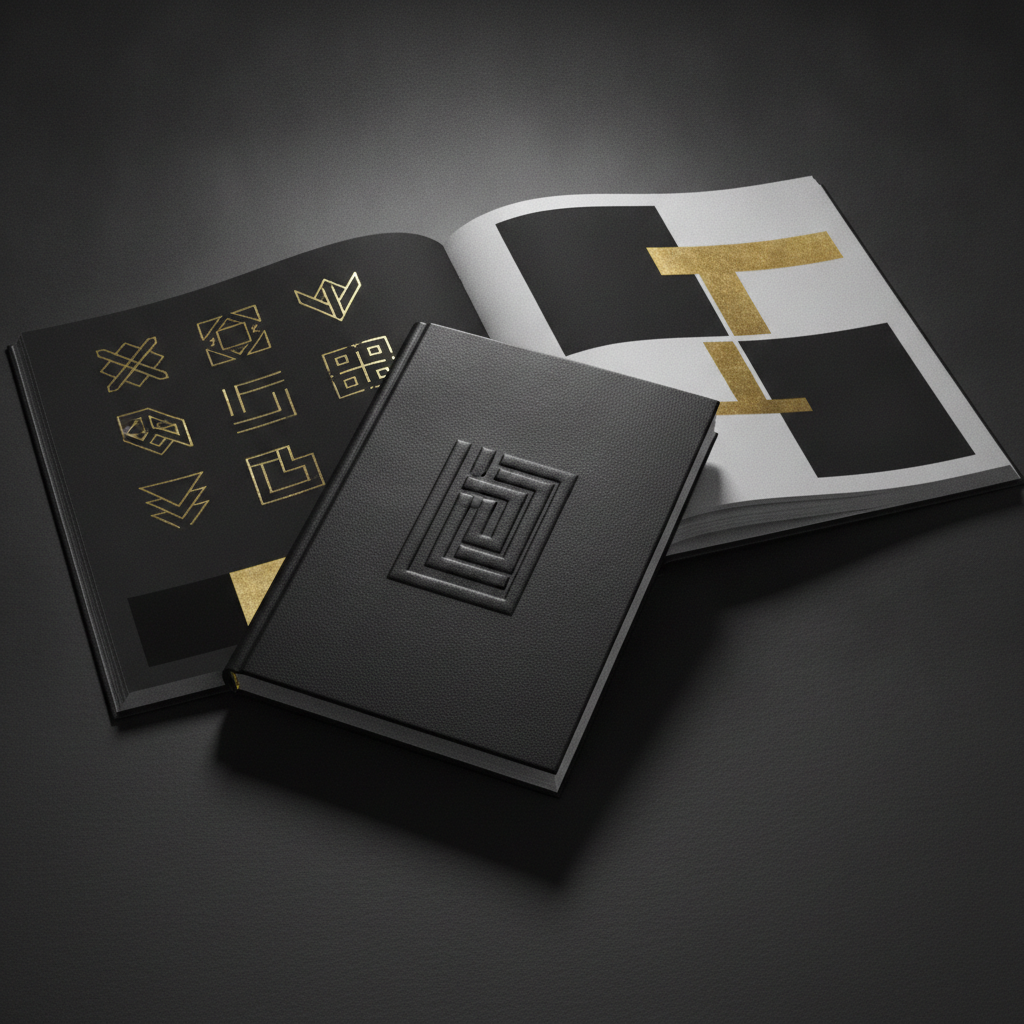
What Is a Brand Book? The Complete Guide
Imagine your marketing team using a different color, a new font, and an inconsistent tone every time they create content. The result? Confused audiences and eroded trust. This is exactly where the Brand Book steps in as the hero.
What Is a Brand Book?
A Brand Book is an official reference document that compiles all the standards, rules, and guidelines for using a brand’s elements into one clear, documented, and accessible resource. It ensures your brand appears consistent across every platform, every team, and every corner of the world.
Brand Book vs. Visual Identity
These two concepts are often confused:
- Visual Identity: The set of graphic elements (logo, color, typography, etc.) that make up a brand’s look.
- Brand Book: The document that defines and governs the correct usage of these elements.
In other words, visual identity defines “what” your brand looks like, while the brand book defines “how” it should be used.

Why Every Brand Needs a Brand Book
1. Maintains Consistency Across Channels
According to Lucidpress research, brands that consistently present their visual standards are 3 to 4 times more memorable to audiences.
2. Supports Business Scalability
As your team grows or you collaborate with new agencies and freelancers, a brand book acts as an independent reference that eliminates the need for repeated explanation.
3. Prevents Branding Errors
Without a brand book, the risk of misusing the logo, applying wrong colors, or using an inconsistent tone in content rises significantly.
4. Strengthens Strategic Brand Positioning
According to Jean-Noël Kapferer in Strategic Brand Management, a brand book is not merely a visual guide — it’s a tool for communicating a brand’s strategy and spirit to all stakeholders.
Core Components of a Professional Brand Book
1. Brand Story
The mission, vision, values, and narrative that explain why the brand exists.
2. Logo Guidelines
Different logo versions, clear space rules, minimum sizes, and what should not be done with the logo.
3. Color Palette
Exact color codes (HEX, RGB, CMYK) along with approved and prohibited combinations.
4. Typography
Primary and secondary fonts for headings, body text, and various platforms.
5. Imagery Style
Standards for selecting photography, illustrations, and icons.
6. Tone of Voice
How the brand communicates with its audience — formal or casual, serious or playful — this defines the brand’s verbal personality.

Brand Book and Blue Ocean Strategy
When properly designed, a brand book doesn’t just ensure consistency — it protects your brand’s true differentiation in the market, aligning directly with the core principle of Blue Ocean Strategy: creating a space competitors cannot easily replicate.
Conclusion
A brand book is a long-term asset for any serious business. It guarantees that your brand — regardless of who executes it — remains consistent, professional, and instantly recognizable.
References
- Kapferer, J. N. (2012). Strategic Brand Management. Kogan Page.
- Wheeler, A. (2017). Designing Brand Identity. Wiley.
- Lucidpress. (2021). The Impact of Brand Consistency Report.
- Kim, W. C., & Mauborgne, R. (2005). Blue Ocean Strategy. Harvard Business Review Press.